



The Educational Ecosystem: Meeting the Needs of the Whole Child – Part 3
A key benefit of the educational ecosystem is that it is greater than the sum of its parts. With all hands on deck, districts can work smarter, not harder, to meet strategic goals.

The Educational Ecosystem: Meeting the Needs of the Whole Child – Part 2
Providers such as Right At School can lift the burden off of school and district leaders by providing turnkey before and after school programs, summer camps, break camps, electives, and more — all tailored to the needs of the educational ecosystem.
The Educational Ecosystem: Meeting the Needs of the Whole Child – Part 1
By creating a more holistic approach to education — and leveraging the resources all around us — we can provide students with greater support to prepare them for success in school and in life.

A Parent’s Story: Finding Peace of Mind and a Sense of Belonging
When I looked online for daycare, I saw that Right At School offered a before and after school program at Caleb’s new school. I was excited about that. I’m a single parent, I don’t have family here who can help, so finding a program that was on-site at school was perfect for us.
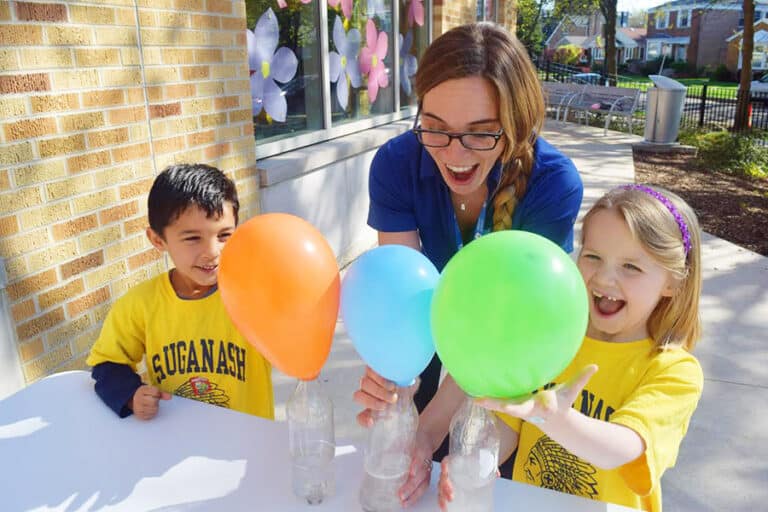
Supporting Children’s Mental Health: The Vital Role of After School Programs
Through our after-school programs, we play a pivotal role in supporting children’s mental well-being by seamlessly blending disguised learning and Social and Emotional Learning (SEL).

When Women Lead: 9 Ways to Empower Women for Leadership (Part 2 of 2)
The When Women Lead (WWL) summit brought together equity thought leaders and education leaders to engage in a deep dialog on topics including executive leadership, equity policy, and digital inclusion.
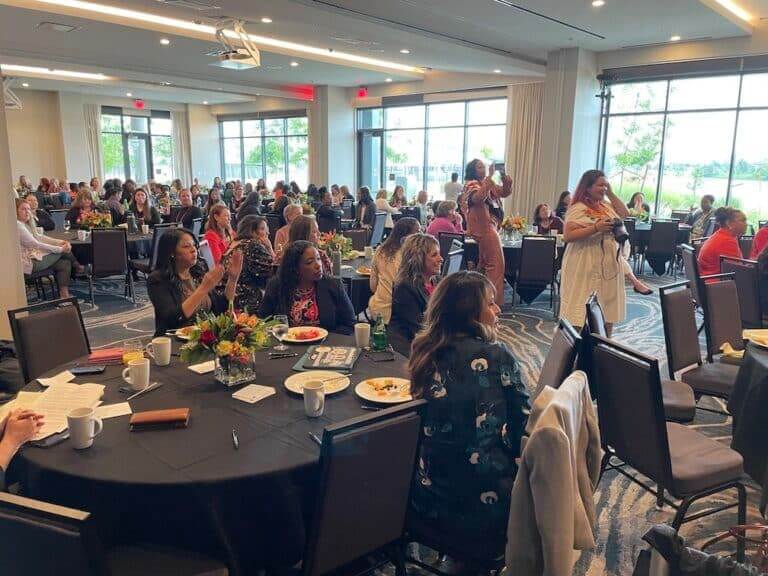
When Women Lead: 9 Ways to Empower Women for Leadership (Part 1 of 2)
How do we clear a path for more women to become leaders in the educational system?

Six Things School Districts Should Look For In An Extended Day Provider When Going to RFP
In this blog post, we’ll outline six essential factors that every school district should consider when evaluating potential vendors for an RFP.

Heart of RAS | Finding Local Inspiration in Our Communities
“I immediately fell in love with the spirit of Right At School and that one of its core values is to be locally-inspired. It was enticing that I could have a hand in bringing this organization to our community.”

Reflecting on the 2022-23 School Year
As summer stretches before us, it’s an ideal time to retreat and reflect. In my conversations with district leaders across the country this spring, they shared three big takeaways from the 2022-23 school year.

How to Develop and Practice Empathy
Empathy matters — and it shows everyone in the school community that their feelings, perspectives, and experiences matter.

Why Empathy Matters
Because empathy is also a skill that can be learned, that means it can (and should) be taught — and everyone in the school community can help.

Tackling Today’s (and Tomorrow’s) Challenges with Adaptive Leadership
The challenges of the last three years have required district leaders to be more agile than ever. Given the changing landscape in education and the world around us, adaptive leadership will continue to be vital to handle the complex problems facing schools today — and anything new that comes our way.
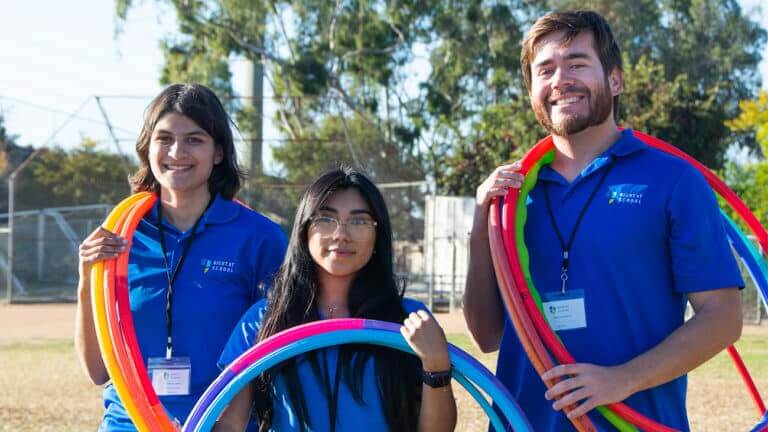
Start Your Education Career Journey In Extended Day Enrichment
Extended day enrichment programs have never been more important than they are right now, and they are a fantastic place to start or further your educational career journey.

Accelerate Fun & Learning with Summer Enrichment
As districts continue to strategize on how best to support students’ learning, many are finding that summer enrichment programs can play an important role in their overall strategy for learning acceleration.
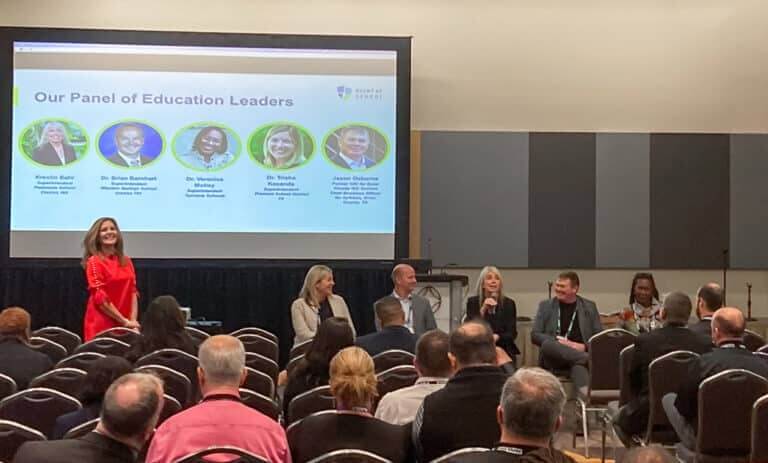
Leaders Speak: Key Takeaways from AASA’s 2023 National Conference on Education
At the 2023 National Conference on Education (NCE), more than 3,000 superintendents gathered to connect, engage in professional learning, share best practices, and discuss the many challenges that leaders face daily.

Supporting Women in Leadership
While the percentage of women in the top leadership position in education is well above the 5% of S&P 500 companies led by a woman, there is still much progress to be made.
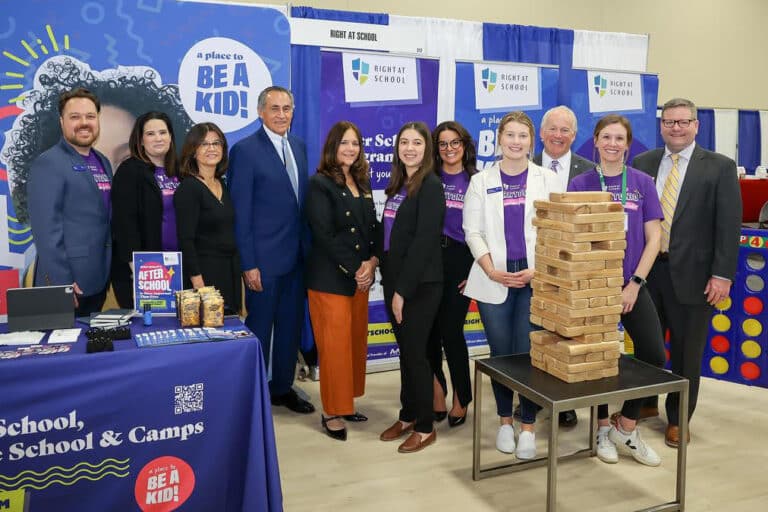
An Inspiring Week at AASA NCE 2023
If you weren’t able to make it to AASA NCE this year, or just want to relive some of the fun, here are some highlights from our wonderful week in San Antonio!

Heart of RAS | Creating a Sense of Belonging for All with Kate Vincent, M.A., MEd., LCSW
Schools are microcosms of our greater social worlds. When we think about making an impact, school is where so much of that happens. It’s where we can truly make a difference. That’s what I love most about my job — making a difference.

The Wisdom of Collaborative Leadership
Here are a few steps that leaders can take to inspire and sustain a more collaborative approach to student success across the school system.
Living, Leading, and Learning Together at AASA NCE 2023
AASA’s National Conference on Education is one of the most important events of the year. Passionate education leaders from across the country will travel to San Antonio, Texas, to make new connections and champion our nation’s school systems.
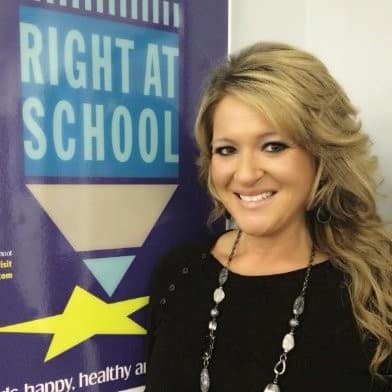
Heart of RAS | What Makes Right At School So Fun? It’s the People!
Recently, Vice President of School Partnerships Cindy Lawson shared how her love of children, and experiences as a parent and care provider led her to find her community at Right At School.

SEL: Fueling Success for Children and Adults
Conventional wisdom says that if we work hard we will be more successful, and if we are more successful, then we will be happy. But psychologist and author Shawn Achor says that recent discoveries in positive psychology show that this formula is backward: happiness fuels success, not the other way around.

SEL: Creating Future-Ready Students
A key goal in school is to prepare students for their futures. What knowledge and skills will they need to succeed in college and careers? How can we prepare them for a rapidly changing world and jobs that don’t exist yet?

Easing School Burdens Caused by Staff Shortages
Districts across the country are struggling to find teachers, substitute teachers, paraprofessionals, bus drivers, and cafeteria workers.
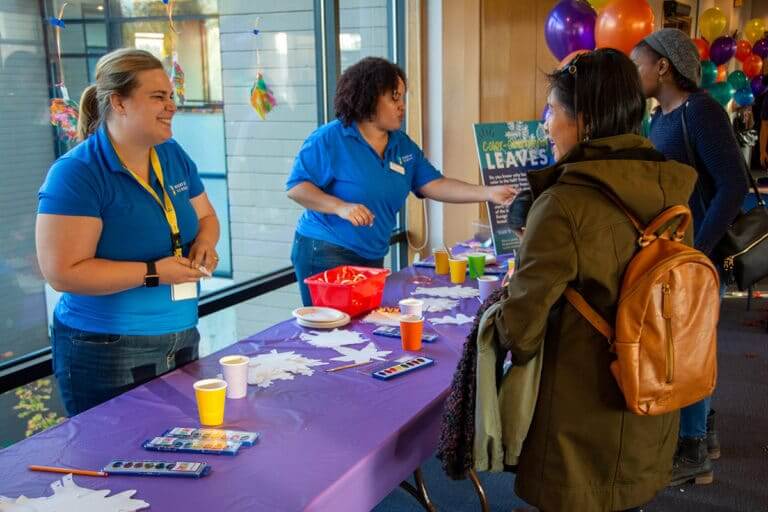
How Right At School Expands Family Engagement Opportunities for Schools
Despite the well-known impact that family engagement has on student success, actually getting that engagement remains a challenge.
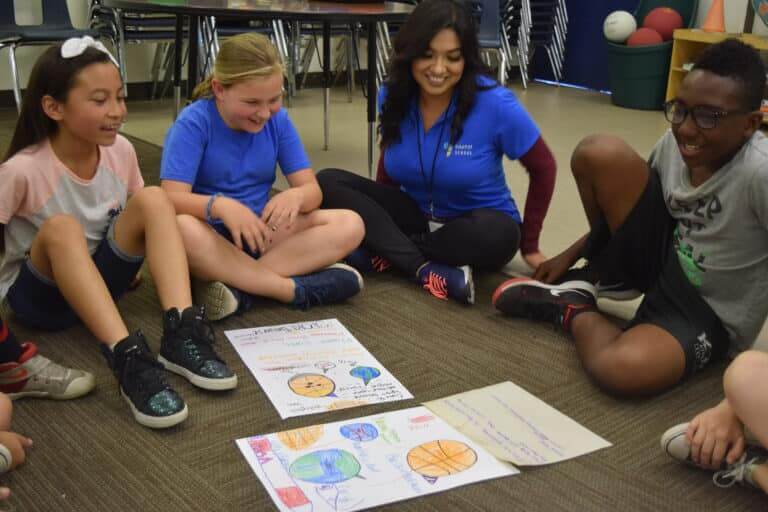
How Right At School Helps Build a Culture of Inclusivity Before, During, and After School
Right At School believes every child should have access to world-class enrichment programs, and that programs should be inclusive and reflective of the students they serve.

Four Questions to Ask When Seeking an Extended-Day Enrichment Partner
In 2022 and beyond, all students need a system of support for their physical, mental, social, and academic wellbeing. Taking a more holistic approach to supporting student success inside and outside of the classroom requires building strong relationships for schools, students, and families.

ARP Funds Can Help Districts Build Equitable and Sustainable Enrichment Programs
Districts who still have available American Rescue Plan (ESSER III) funds have an opportunity to extend learning, increase equity, and impact the overall wellbeing of their students in 2022 and beyond by investing in enrichment programing.

Sharing a Vision for Student Success
The Learning 2025: National Commission on Student-Centered, Equity-Focused Education is a collaboration between thought leaders in education, business, community, and philanthropy.
Exploring the Learning Hub with District Leaders at ERDI
Instead of focusing on the turmoil the pandemic has wrought over the last two-plus years, superintendents, assistant and deputy superintendents, and chief academic officers were talking about what’s next and where we want to go in the education field.

Heart of RAS | Helping All Students Reach Their Potential with Dr. Dawn Bridges
At Right At School, we understand that schools and districts are taking a more holistic approach to supporting students as they continue to address the challenges of lost learning time, student wellbeing, and more.

Heart of RAS | Glow & Grow with Kealy Shroeder, MBA
Our passion for locally-inspired enrichment is what makes Right At School Programs different from other enrichment providers. In this ongoing series, we’ll be spotlighting some of the amazing people on our team who are the very heart of what we do everyday.






How to Make More Time for Learning with ESSER Funds and Right At School
Wondering how to infuse more time into the day to accelerate learning and support students socially and emotionally?
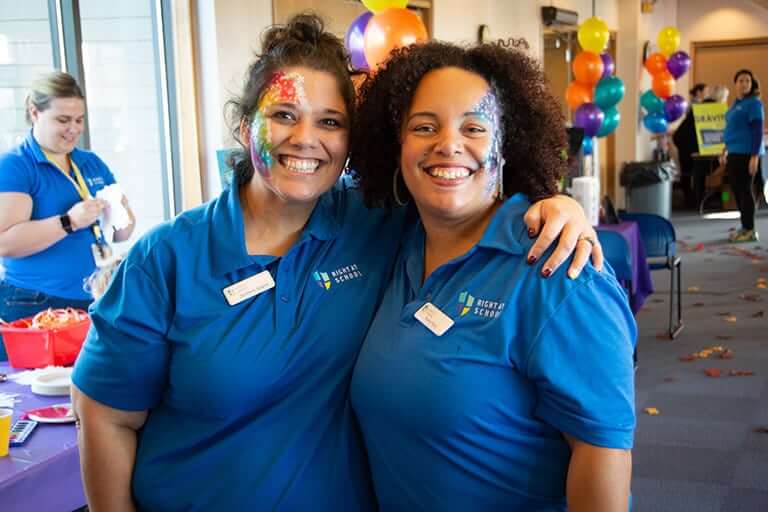
Becoming Part of District Communities
LaToya Thomas has been part of the Right At School family for over 7 years. In this blog, LaToya shares her experiences both working in the field as an Area Manager for Right At School and now as the Director of School Partnerships.

How Play Can Bolster Students’ Learning and Well-Being
Play! Aside from being a whole lot of fun, play has some serious benefits for the development of the whole child.
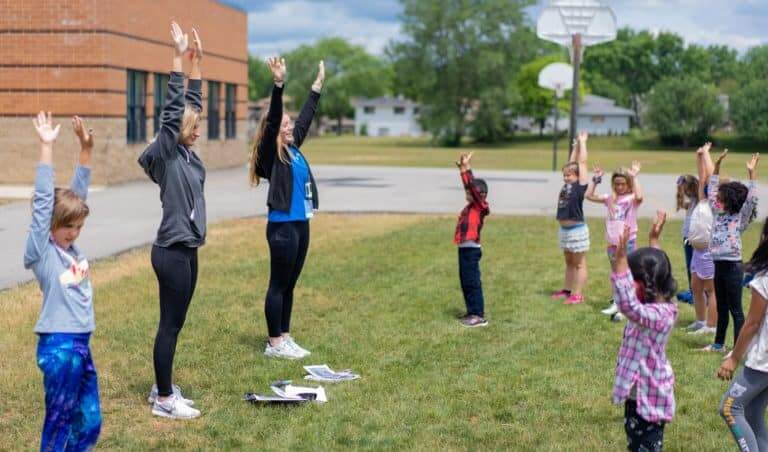

New Ways to Play Old Games
Our team has been working overtime to redesign our favorite activities and games to accommodate physical-distancing. We think this video will help you gain perspective on how we’re adapting our program curriculum in a way that keeps safety the priority – without forfeiting the fun. #backtoras

Our Team is Prepared for a Great School Year
Right At School is ready for back to school – whatever that may look like! Our team describes just some of the ways we’re fully prepared for back to school this year. #backtoras

See How We’re Keeping Safety A Top Priority
Check out how we’re keeping Right At School programs safe and fun this school year. #backtoras

6 Tips for a Successful Return to School
Whether your school year return will be in-person, virtual, or a combination (or it’s still unknown!), we have the ‘luxury’ of forethought. As we enter another “Back to School” season, albeit unusual, take a look at these six tips for preparing your children mentally, emotionally, and physically.

Letting Our Children Live
It’s time to let our school-age children experience joy, healing and connection alongside their peers and the teachers who inspire them to learn, socialize and grow. We can do so safely this summer and fall with just a few logistical tweaks.

The Impact of World-Class Afterschool Programs
Without dipping into scarce resources and even generating alternative revenue, districts who partner with a high quality afterschool provider can become part of an essential multi-pronged solution – for children, parents, and their own district mission and bottom line.